International expansion: from a strong regional base to pan-European opportunities
Dalia Čiutaitė-Antanaitė, Head of International Business Development at LTG Cargo
Today’s international logistics and freight market demands not only ambition but also a clear plan of action. We therefore base LTG Cargo’s international expansion strategy on consistent growth in markets where we have already established a foundation for further operations, as well as on strengthening our service portfolio across the entire supply chain.
When it comes to business diversification and expansion into the West, our main focus in the coming years will continue to be on Poland, Germany and Ukraine. The Polish market is a natural priority for us: it is large, strategically important and geographically close – right on our doorstep. Six years ago, we established our subsidiary ‘LTG Cargo Polska’ in Poland. It is here that we see significant opportunities to expand our operations, strengthen partnerships and offer new opportunities to our customers. At the same time, our success in the Polish market is laying an important foundation for further expansion in Germany and for preparing to play a more active role in the Ukrainian market.
Germany remains one of the most important parts of the European logistics ecosystem, which is why we are seeking to strengthen our position in this region, develop intermodal transport solutions and create new international transport corridors. It is therefore particularly significant for us that, in June, ‘LTG Cargo Polska’ obtained a General Safety Certificate in Germany, allowing it to transport freight independently within that country. At the same time, we are monitoring the potential of other Western European markets, particularly where we see a clear customer need and opportunities to offer competitive solutions.
The European ‘Rail Baltica’ railway line, which will connect Poland and all the Baltic states, also plays an important role in our future plans. This is one of the most significant transport infrastructure projects in the region, which could significantly change the possibilities for freight movement in the Baltic states in the future. We are already assessing the role that ‘LTG Cargo’ will play in the new transport ecosystem and how we can contribute to the development of efficient intermodal services across the region.
In the international market, competitiveness is driven not only by scale but also by the ability to adapt quickly to change. Although we compete with much larger players in the European market, our strengths lie in our flexibility, rapid decision-making and the ability to respond promptly to customer needs. And by operating in several markets simultaneously, we can see the broader picture of the logistics chain and offer solutions that meet both the local and international business needs of our customers.
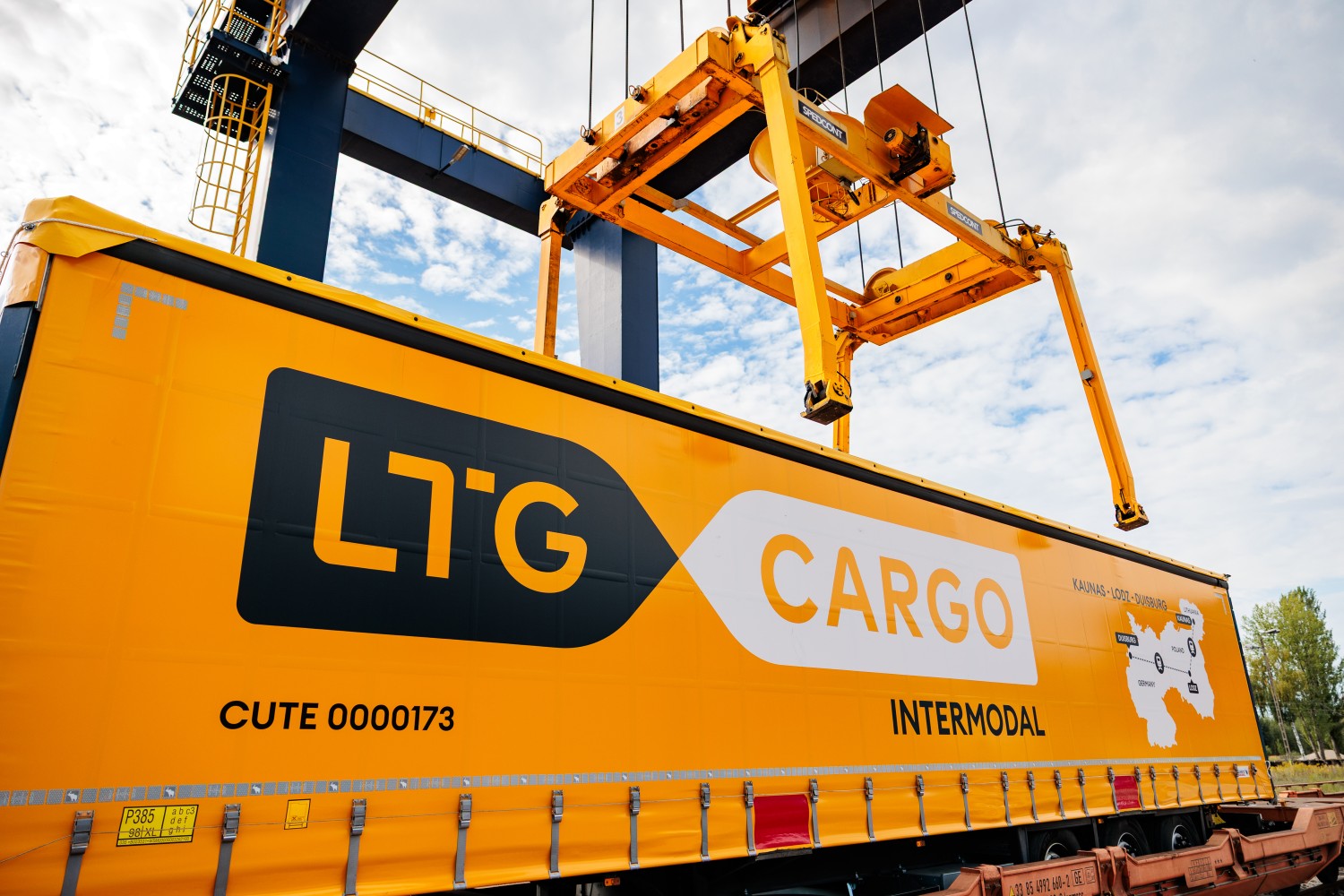
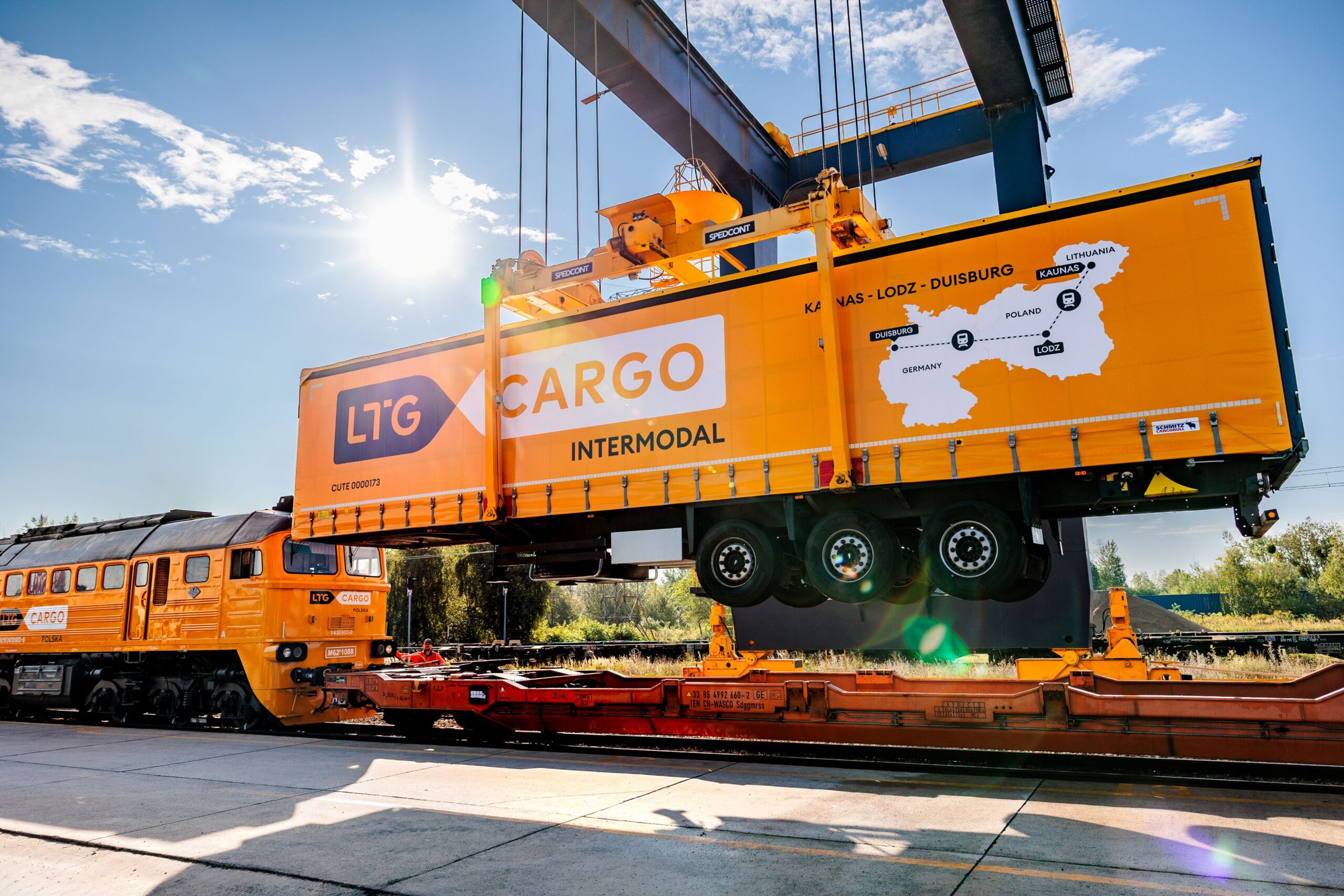
One of our key objectives in the coming years is to further develop the Duisburg intermodal rail route and to seek opportunities to establish new intermodal links with other European countries. We will also seek to identify new business niches that would contribute to the organisation’s revenue growth and diversification of operations. International expansion is not a sprint; it is more of a marathon, in which the most important thing is to move consistently in the agreed strategic direction and to be able to create value for clients and partners.
Today, LTG Cargo’s international expansion is becoming one of the organisation’s strategic pillars. Our aim is to be not just a freight carrier, but also a reliable partner capable of offering the full range of services from the first to the last mile. For Lithuanian businesses, this means even more convenient access to European markets via a single point of contact and a unified network of partners.
I encourage you to boldly seek out new growth opportunities beyond Lithuania’s borders. And we are ready to be the partner that helps turn these opportunities into real routes, new business connections and sustainable growth in international markets.