LG Cargo established
On 28 December 2018, the company LG Cargo (now LTG Cargo) was established.

The company brand was changed
On 3 July 2020, the 101st anniversary of Lithuanian Railways was celebrated by updating the organization’s brand – new brands for passenger transportation, freight transportation and infrastructure management companies were introduced. The abbreviation for the group of companies became LTG, and the freight transportation company – LTG Cargo.

LTG Cargo Polska was established
On 21 July 2020, the LTG Cargo subsidiary LTG Cargo Polska was established for expansion into Western markets. The company specializes in freight transportation and forwarding. Freight transportation is carried out by wagons and containers, and semi-trailer transportation services are offered.

LTG Cargo Ukraine was established
On 10 December 2020, LTG Cargo Ukraine was established for the development of the operation of freight transportation by railways in Ukraine. The company also provides competitive rolling stock rental services and aims to strengthen logistics supply chains between Lithuania and Ukraine.
VLRD joined LTG Cargo
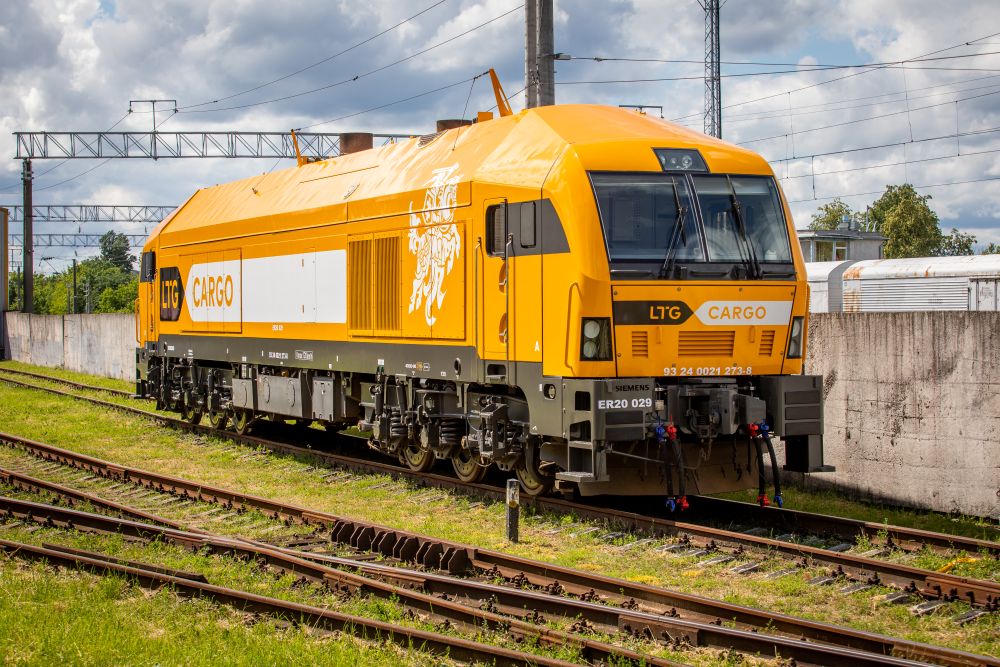
On 1 April 2021, The Vilnius Locomotive Repair Depot and LTG Cargo joined forces and started operating as one company. The aim of this change was to strengthen LTG Cargo's position in international markets by offering a wide range of services to customers from one source.

KIT connected to the European gauge railway
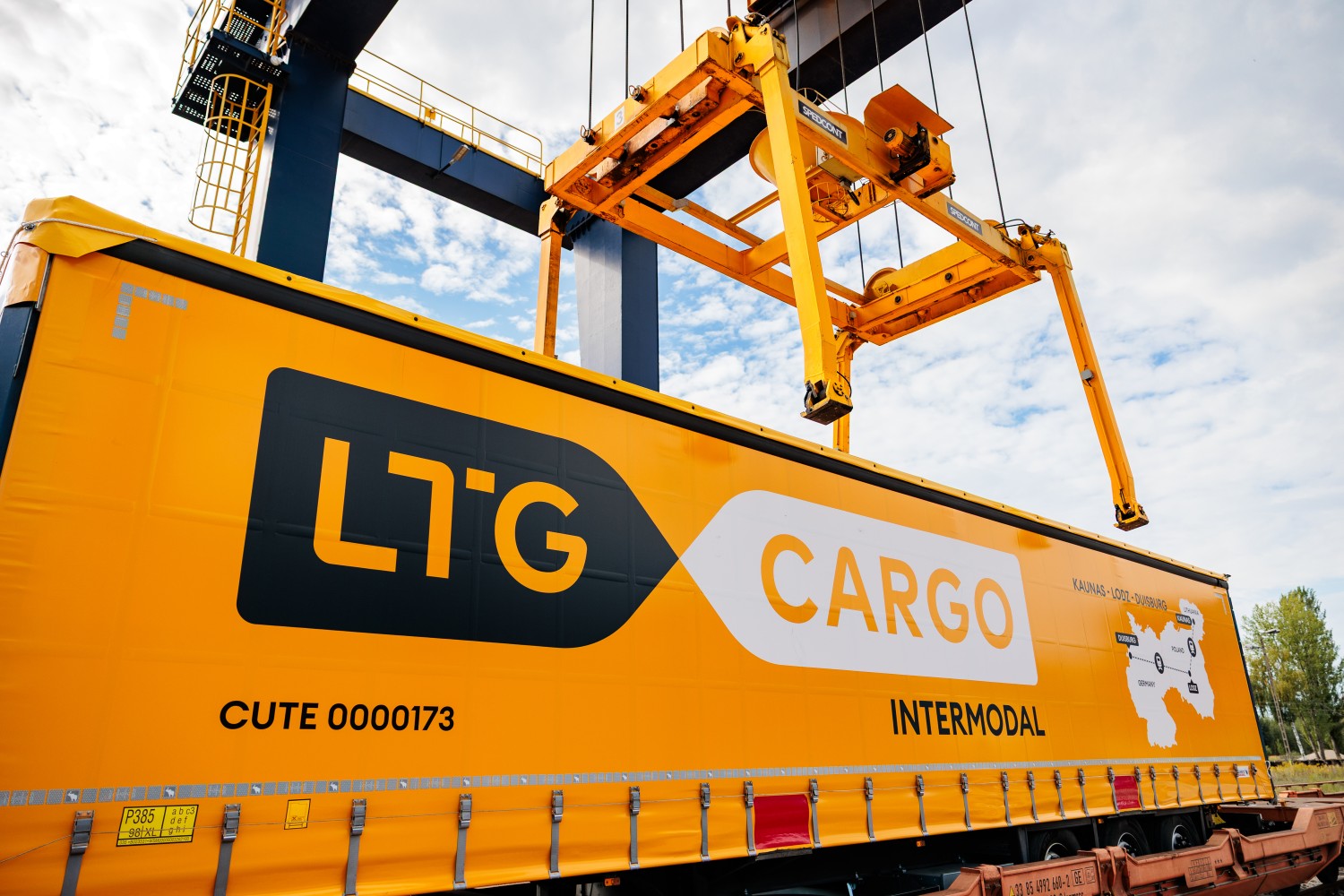
On 19 July 2021, the Kaunas Intermodal Terminal was opened for commercial traffic along the Rail Baltica corridor, which allowed Lithuania to be connected to the network of intermodal freight transportation by rail. In order to reveal and assess customers’ contribution to environmental protection when transporting this type of cargo, a methodology was developed to record CO2 emission savings from intermodal cargo.

Received certificates for transporting cargo to Estonia and Latvia

The rolling stock fleet was expanded
In 2024, LTG Cargo purchased 500 new wagons for the transport of grain and 200 gondola rail cars for the transport of weather-resistant cargo, and signed a contract for the manufacture of 17 new electric locomotives.

The first wagons were registered with European 12-digit numbers
In 2024, LTG Cargo's first freight wagons were registered in the European Vehicle Register and assigned twelve-digit numbers, in order to fully disassociate itself from the Russian-run systems and to develop a European operating model.

First successful Kaunas-Muuga run of FREE Rail
On 27-29 January 2025, LTG Cargo successfully completed its first test run across the Baltic States to the port of Muuga in Estonia using the EU rail industry standard – without data exchange and interfacing with the Russian Rail Transport Council (GTT) systems.

LTG Cargo Polska becomes a railway carrier in Germany
In June 2026, LTG Cargo Polska's subsidiary in Poland obtained the General Safety Certificate in Germany. This means that the company will be able to independently carry out transportation in Germany.